

Upholding Dignity in Healthcare
– Dr. Lipika Patra, Meerut
Every person holds intrinsic worth, regardless of background, achievement, or social standing. In clinical encounters, patients often feel vulnerable, anxious, or afraid. In our daily practice, unconscious biases can often slip quietly into our work. Patients familiar to us may unintentionally receive preference, while those from different social or economic backgrounds may receive less consideration. These minor disparities often pass unnoticed, but they slowly erode the very foundation of dignity and equality on which compassionate care depends.
Kindness, humanity, and respect; the heart of medical professionalism, are too often overshadowed by the fast pace of modern healthcare. In crowded outpatient departments, patients may feel reduced to numbers: “Pain abdomen in room five,” or, “Breast tumour in room two.” In such environments, the principles of dignity, compassion, and attentiveness can fade under the pressure of time constraints. Even small actions, such as unexplained delays or impersonal address, can diminish a patient’s sense of personhood.
As healthcare professionals, our role extends beyond diagnosis and treatment. We are called to uphold a sense of control, respect, and well-being for those who come to us at their most vulnerable. Technical competence is essential but true healing demands something deeper: the ability to listen, to communicate, and to care.
Lessons from Life and Loss
I first learned about dignity not from textbooks, but at home. Dignity, I came to understand, it is not something one acquires in a single moment. It is a way of being, cultivated slowly through consistent and thoughtful acts.
In my early years in medicine, my parents encouraged me to join medical camps. Together, we packed hundreds of food and medicine packets for families devastated by floods and cyclone. At first, I joined reluctantly. But those experiences opened my eyes. I saw the health-related suffering of people for whom healthcare was not a guarantee but a daily struggle. I witnessed how poverty and illness intertwine; how the absence of access, choice, and control over healthcare can wound a person’s sense of self. Those moments taught me to look beyond hospital walls, to see that healthcare is not only about curing disease but about restoring humanity. Those quiet, humble acts of compassion have shaped who I am today- someone who strives to live and practice with dignity, empathy, and self-respect.

The deepest lessons, however, came later through personal loss. When my mother was diagnosed with carcinoma endometrium, I remember her unease during clinical examinations and interventions; her reluctance to expose the most private parts of her body before others. One day she said, “For the doctor, my illness may be a routine: but for me, it’s the storm of my life. I wish they would see me as a lady and listen to me before they examine my symptoms.” Though she is no longer with me, her words linger. I learned that healing does not begin with intervention but with attention. A moment of wholehearted presence brings a comfort beyond any procedure, restoring dignity and easing fear before a single touch.
Years later, when my father suffered a stroke, again I saw, how illness can strip away dignity. He struggled with weakness, speech, and swallowing but what pained him most was the loss of control over his bladder and bowel. Each time we cleaned or changed him, he would weep quietly. His greatest distress was not the feeding tube, but the loss of privacy. He would whisper, “Don’t give me much food… I don’t want to trouble you by losing control again.”
That experience taught me something profound: illness is not only a physical challenge it is an emotional and existential one. When it threatens modesty, autonomy, or control, it wounds the spirit. The despair of feeling exposed, dependent, or powerless runs deeper than any symptom.
Lessons from the Medical Ward
As a medical student, I once learned a lesson no textbook could teach. In the ward, we were excited to hear a young girl’s heart murmur. Our seniors placed the stethoscope on her chest, and one by one we took turns listening, focused entirely on the sound. In our eagerness, we forgot that while we were listening to the murmur, we were also touching her breast repeatedly.
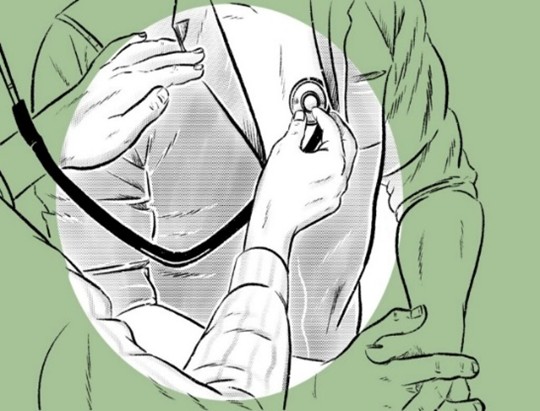
The next day, we learned she had been discharged. The nurse quietly told us the real reason; the girl had felt deeply uncomfortable and vulnerable during the clinical examination. We breached her privacy without intending to harm, yet we did. That moment left an indelible mark.
I realised then that dignity in care is upheld not by grand gestures, but by simple, mindful acts of pausing to listen, covering a patient before examination, explaining before touching. Respecting privacy is not an optional courtesy; it is a moral duty, an act of compassion that restores dignity. And dignity, in turn, builds trust- the very foundation of healing.
The Culture of Care: Role Reversal
For most of us in healthcare, our identity is closely tied to the role of healer. We are trained to comfort others, to remain steady in moments of uncertainty. Yet when we ourselves become patients, everything changes. The shift from authority to vulnerability is both humbling and eye-opening.
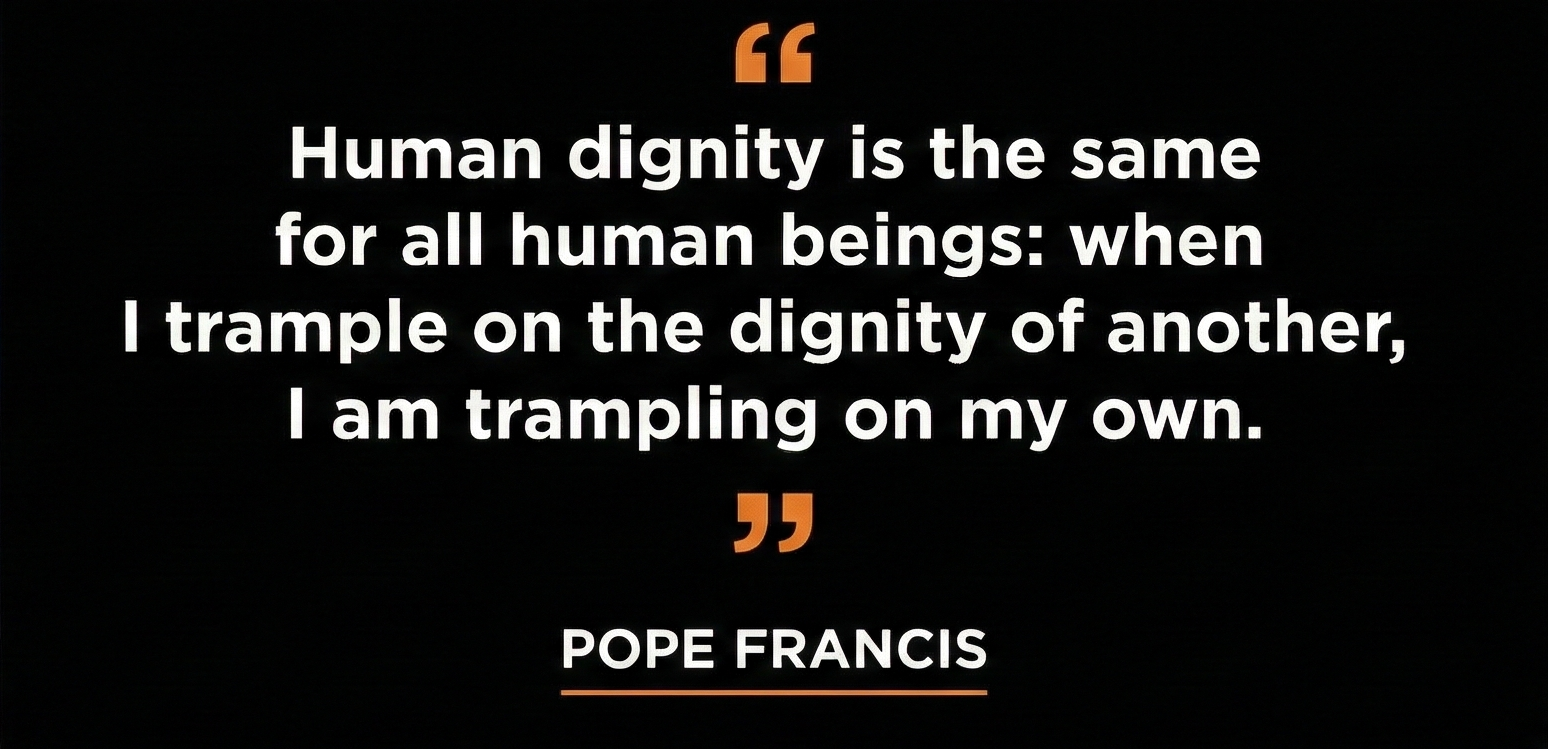
The word patient comes from the Latin “patiens” to endure, to suffer, to bear. It reflects the vulnerability and dependence that illness imposes. It also determines whether a person feels seen or reduced to a set of symptoms. I found myself in that same uncomfortable space during my own mammography and Pap smear. Despite all my clinical knowledge, I felt anxious, exposed, and in need of reassurance just like any other patient. It reminded me that the smallest gestures like, a kind explanation, an extra moment of presence, a gentle tone, or even a reassuring glance can offer more healing than technical skill alone. In those moments of vulnerability, we are reminded that the heart of medicine lies not just in curing, but in caring quietly, gently, and humanely.
This “role reversal” offers an important lesson: it reveals the true value of dignity and self-respect in healthcare values that can easily fade into routine practice. I have also observed that screening procedures for breast and cervical cancers continues to carry social stigma, often linked to privacy concerns and cultural discomfort, as documented in many studies. These reflections highlight the need for a standardised, compassionate communication protocol that explains the process clearly, safeguards personal boundaries, and above all, remains empathetic, and human.
As Sir William Osler wisely said: “The good physician treats the disease; the great physician treats the patient who has the disease.”
Dignity is the quiet language of care the thread that binds compassion, respect, and healing together. It is not an act we perform, but a way we choose to be. When we honour dignity, we do more than treat illness. We help people feel seen, valued, and whole.
About the Author:

Dr Lipika Patra has completed her Master’s in Public Health from The Sree Chitra Tirunal Institute for Medical Sciences and Technology (SCTIMST) in Thiruvananthapuram and MSc in Palliative Medicine from Cardiff University, UK. She has been practicing palliative care for the past 13 years in various health sectors. She is currently working as an Honorary palliative care specialist at Military Hospital, Meerut, Uttar Pradesh